










The Interesting Parallel History of Singing Bowls Today and What Happened to Old US Coins Back in the 1960’s
You wouldn’t think on a website devoted to singing bowls that you’d find a page about the US coinage. One thing I love about antique singing bowls is that you can feel their age in the metal they are made out of. Growing up as a nerdy (not a word then but you get the idea) coin collector back when your everyday coins were made of copper and silver I handled a lot of old metal objects. Unlike antique singing bowls, most US coins (except the ones that were really worn out) had dates on them. My eye for metallic composition and state of preservation were honed as a teenage collector and appraiser.
In the US in the 1950’s you could still find 19th century coins in pocket change. By the early 60’s due to an increase in interest in coin collecting, the oldest common circulating pieces dated to just a bit before the First World War. In 1965 the government ceased to produce silver coinage because the value of the silver inside the coins had become worth more than a dime or a quarter. Eager to take advantage of the fact that a dime was now worth 10 1/2 cents Americans hoarded coins (so much there was a coin shortage!). Within a few years all the old dimes, quarters and halves disappeared from circulation. As a kid I watched the transition from Barber quarters being used for lunch money to finding nothing but boring new “clad” coins in pocket change.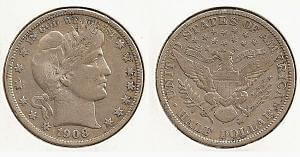
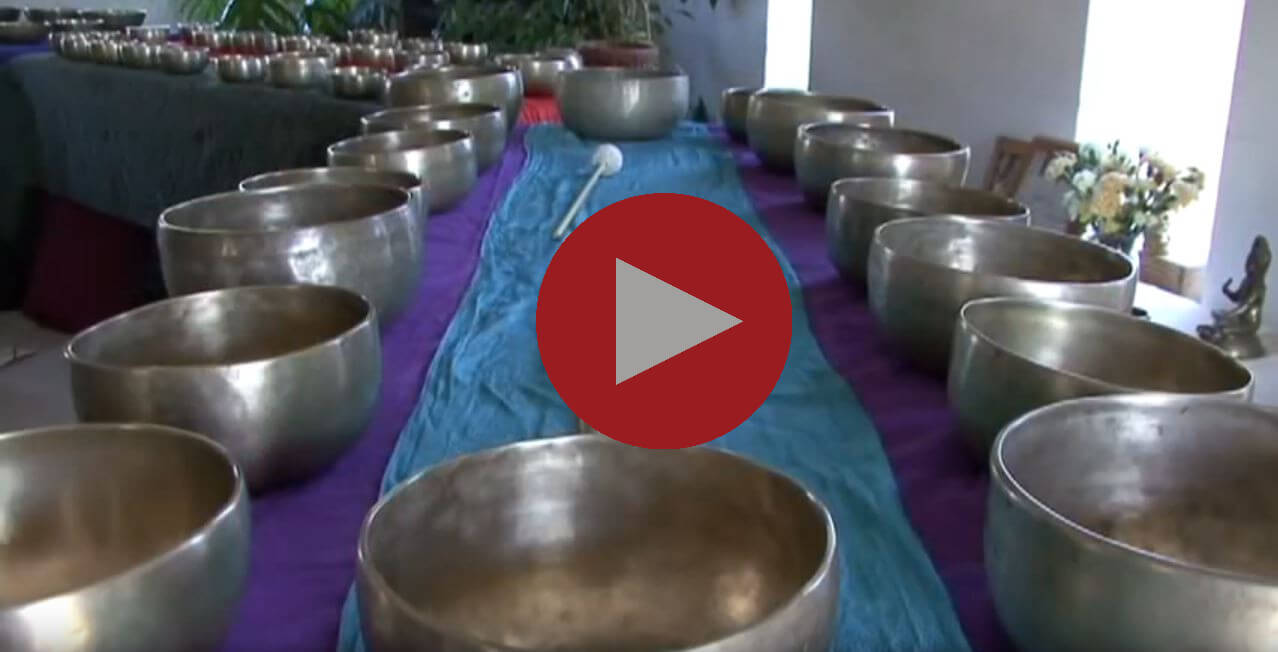
The experience of seeing how fast the old disappears once its value is recognized is part of the reason I started Best Singing Bowls. There are only so many old singing bowls in circulation in the Himalayas and Northern India and no better time than now to collect them.
Another parallel between the history of American coins and singing bowls took place in the 70’s and early 80’s. In the coin market, rarity drives price and one of the determinants of rarity is the state of preservation (or “condition”) of a coin. For decades the best preserved coins were labeled “Uncirculated” and the best of the best “Brilliant Uncirculated” (BU). People began to realize that there were more than two grades of “best” in coins and a market developed for “premium” uncirculated pieces. Dealers with the ability to discern fine details were able to acquire the very best coins for about the same price as any other BU coin.
At Best Singing Bowls this is what I try to do, purchase the highest quality within each generally recognized grade. In US coins eventually fine qualitative distinctions were institutionalized by the numismatic community and what had been two grades were expanded to 11 (MS 60 to MS 70) with absolutely astronomical price differences between single grades. While I don’t expect something this dramatic to happen with singing bowls I do think over time there will be greater recognition of sound quality differences among highly rated antique singing bowls. Click here for the standard grading description for US coins.
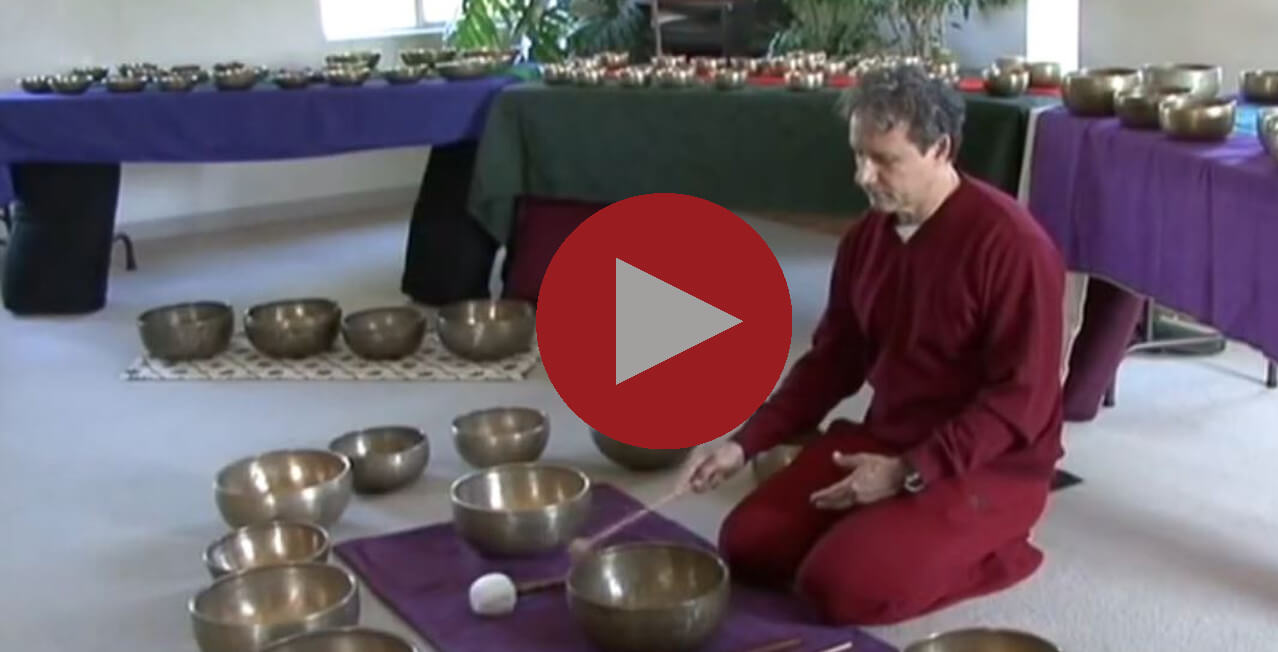
One of the ways I differentiate my site from many others is by only carrying bowls that have internal harmony to the sounds. The way I do this is by listening to each bowl before buying it and having it shipped from Asia. You can hear the harmony in the sound clips. You can also feel it when you hold a nice old bowl in your hands.
How many antique singing bowls were there – and what has become of them.
Some historical context for the use of Himalayan singing bowls